
What River Cruising in Europe Really Feels Like: An Expert’s Firsthand Account
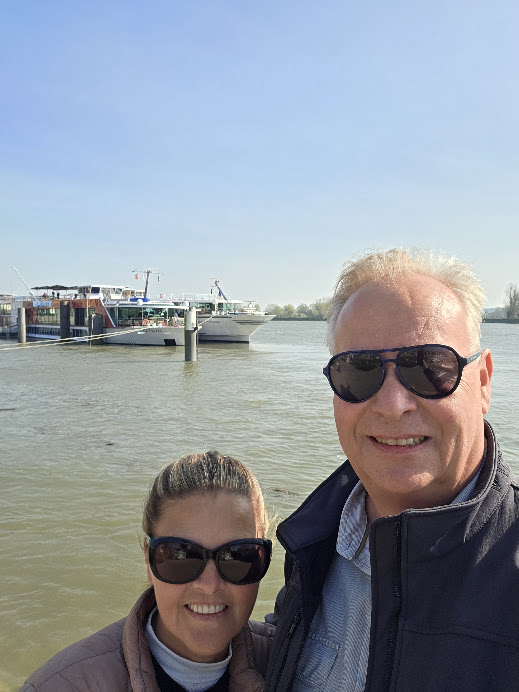
There’s something very different about seeing Europe from a river.
You don’t arrive in a city the way you do by plane or train. Instead, you slowly drift into town early in the morning while the city is just waking up. Church bells ring somewhere in the distance, cafés are setting up their outdoor tables, and the river is usually calm and quiet.
Then you walk off the ship and you’re already in the middle of everything.
No long transfers.
No repacking suitcases.
No rushing to catch trains.
You unpack once, settle into your cabin, and the scenery changes every day outside your window. Vineyards, castles, small villages, big cities — all connected by the river.
It’s one of the most relaxing and efficient ways to see Europe, and after years of helping clients plan these trips — and sailing on them myself — I can tell you that river cruises often end up being my clients’ favorite trips.
Why River Cruising Feels Different Than Other Travel
The best way I can describe it: you’re living in a floating hotel that repositions itself every night.
Ocean cruises are wonderful, but river cruising is fundamentally different. The ships are smaller — typically 100 to 200 passengers — which means more intimate experiences, easier logistics, and access to the heart of cities that larger ships simply can’t reach. You’re not docking at a port miles outside of town. You’re tied up right along the city’s riverbank, steps from the old town, the market square, the cathedral.
That combination of simplicity, scenery, and intimacy is why so many of my clients who try river cruising once immediately start asking: which river should we do next?
A Seine River Cruise Through Normandy: What I Experienced
Visiting the D-Day Beaches: What No One Tells You
I was recently on a wine-themed river cruise along the Seine from Paris through Normandy, and one of the days we visited the D-Day beaches.
One thing many travelers don’t realize is that while the Seine flows through the region of Normandy, the landing beaches themselves aren’t on the river. You actually drive about an hour or more from where the ship docks to reach the coast and the American Cemetery.
But the drive is absolutely worth it.
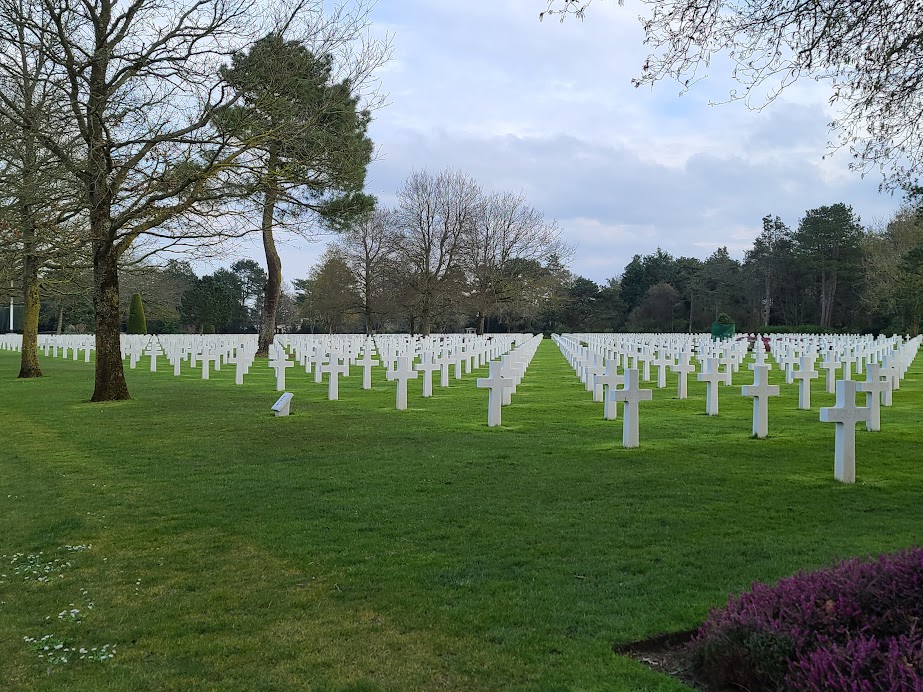
The first time I stood at the American Cemetery and looked out across the rows of white crosses stretching across the hillside, I remember getting goosebumps. The entire place is incredibly quiet and peaceful, and that silence somehow makes it even more emotional.
It’s one of those places where everyone speaks a little more quietly, walks a little more slowly, and you can feel that it means something to everyone standing there.
I’ve traveled extensively, and very few places have stopped me in my tracks the way Normandy does. For many travelers, that day ends up being one of the most memorable and meaningful parts of the entire river cruise.
Not every river cruise has a day like this one. The Seine through Normandy is genuinely one of the more historically significant itineraries you can choose, and that excursion is part of why.
Wine-Themed River Cruising on the Seine
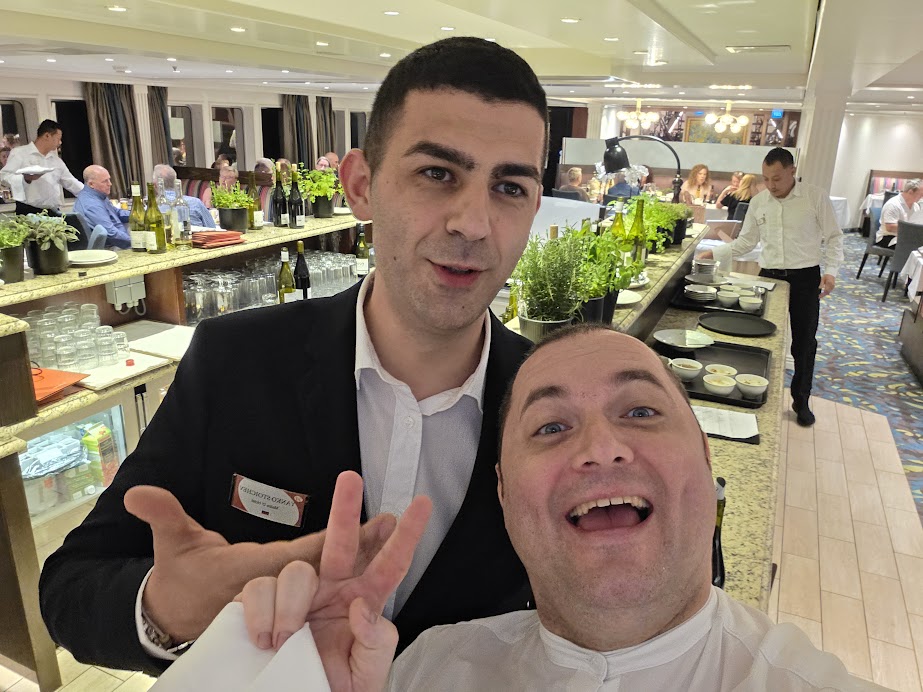
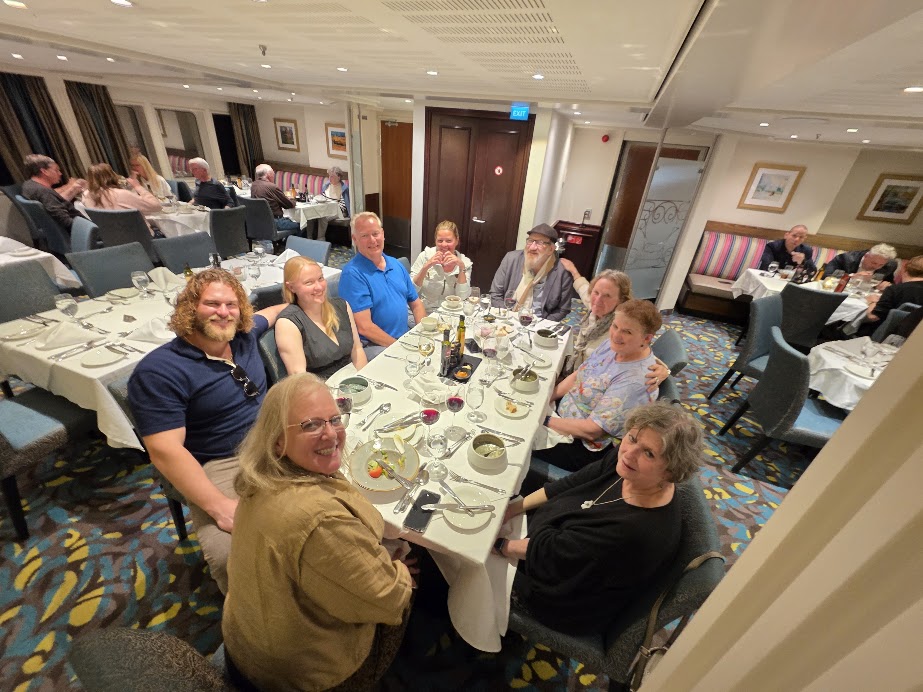
The sailing I was on was wine-themed, which added another layer to the experience. There were wine tastings onboard, special dinners paired with regional wines, and excursions focused on local specialties like cider and Calvados in Normandy.
River cruises in general tend to be very destination-focused, but themed sailings — whether wine, art, history, or Christmas markets — make the experience feel even more curated and immersive. They’re also a great way for solo travelers or couples with specific interests to connect with like-minded people onboard.
What Life Is Really Like Onboard a River Cruise Ship
Evenings on river cruises are one of my favorite parts of the trip.
After a full day of exploring, everyone returns to the ship, the pace slows down, and people gather for dinner while the ship sails to the next destination. Sometimes you’re passing castles, sometimes vineyards, sometimes small towns glowing along the riverbanks.
It feels calm, relaxed, and very different from the pace of city travel.
Most river cruise fares are also highly inclusive — typically covering meals, many excursions, wine and beer with dinner, and sometimes even gratuities. That all-inclusive structure makes budgeting simpler and the experience feel genuinely carefree, which is part of the appeal.
The ships themselves vary quite a bit between cruise lines, and this is one area where having an advisor makes a real difference. I help clients compare lines like Viking, Avalon, AmaWaterways, Uniworld, and more based on their style, budget, and what matters most to them — whether that’s cabin size, excursion depth, onboard ambiance, or something else entirely.
An Insider Tip Most Travelers Don’t Know Before Booking
There’s one insider tip I always share with clients before they book a river cruise because it’s something most people don’t know until they’re already on the trip.
River ships often dock next to each other, sometimes two or three ships wide along the riverbank, in a practice known as “rafting” or double docking. This means when you leave the ship for an excursion or to explore town, you may have to walk across another ship or even across multiple ships to reach the dock.
Depending on water levels and docking positions, this can also include walking up and down stairs between ships.
For most travelers this is not a problem at all, but for anyone with knee issues, mobility concerns, or difficulty with stairs, it’s something we always want to talk about ahead of time when choosing the right river cruise and ship.
Some cruise lines have invested in ships with features that make boarding easier for guests with mobility needs, and certain itineraries tend to have better docking situations than others. Knowing this before you book — not after — can make all the difference.
It’s a small detail, but it’s exactly the kind of detail that I share to ensure you choose the right trip.
Why River Cruises Become My Clients’ Favorite Way to See Europe
What I see over and over again with my clients is that river cruising often becomes their favorite way to travel in Europe.
Here’s why it works so well:
- You see multiple countries and cities.
- You unpack once.
- Transportation, meals, and excursions are organized.
- The scenery is constantly changing.
- And the pace feels relaxed instead of rushed.
But beyond the logistics, there’s something harder to put into words — a rhythm to river cruising that just feels right. You explore during the day, you return to somewhere comfortable in the evening, and you wake up somewhere new. It mirrors the way we all wish travel could feel: full of discovery, without the exhaustion.
It’s also one of the few travel formats where I consistently hear clients say they felt like they actually saw Europe, rather than just passed through it.
It’s not just a cruise. It’s a moving journey through the heart of Europe.
And once you try it, you’ll already be planning your next one.
Ready to Plan Your European River Cruise?
If you’re curious about river cruising — whether you’re comparing itineraries, wondering which cruise line fits your style, or trying to figure out whether this type of trip is right for you — I’d love to help.Planning a river cruise involves more nuance than most people expect: the right ship, the right river, the right time of year, and the right cabin category can all shape how the trip feels. That’s exactly what I do — help you sort through the options so you end up on the right sailing for you.
Check out my other blog posts:
WHY CLIENTS HIRE ME