
The Dream Looks Easy
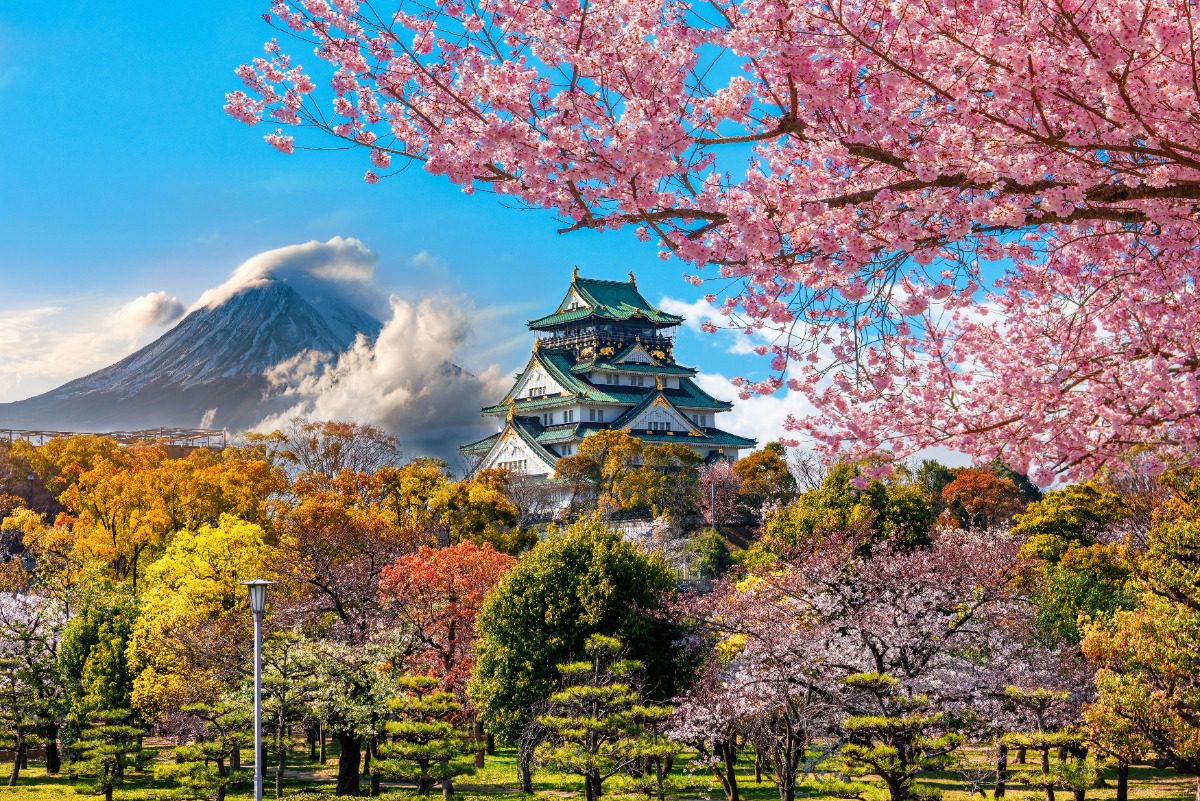
Japan has become one of the most talked-about destinations in the world right now. The images are stunning — cherry blossoms over ancient temples, bullet trains cutting through misty mountains, lantern-lit streets in Kyoto’s Gion district. Everything about it looks magical, almost effortless. And that is exactly where most travelers get into trouble.
Japan is one of the most rewarding destinations on earth. It rewards patience, cultural sensitivity, and meticulous planning. What it does not reward is winging it. The gap between a good Japan trip and a truly extraordinary one isn’t budget or luck — it’s preparation and local knowledge, the kind that takes years to build.
As a luxury travel advisor based in Fort Collins, I’ve watched Japan rise to the very top of my clients’ bucket lists. Every conversation starts the same way: “We’ve always wanted to go.” What follows is usually a pause, then — “but we don’t even know where to begin.”
That instinct is correct. Here’s why.
Layers Upon Layers
Most destinations have complexity. Japan has complexity on top of complexity, wrapped in extraordinary beauty. The country spans four major islands, dozens of distinct regions, and centuries of cultural tradition that quietly govern everything from how you enter a temple to how you hand someone a business card.
Deciding between Tokyo and Kyoto is just the starting point. Do you add Osaka for its legendary food culture? Hiroshima for its profound history? The ancient temples of Nara, where deer wander freely among the shrines? The coastal beauty of the Seto Inland Sea? Each region feels like an entirely different country. Choosing well — and connecting those choices in a logical, beautiful sequence — requires real knowledge of how Japan actually flows.
Layering the wrong regions together wastes time and energy. Thoughtful routing, by contrast, creates a journey that builds on itself, each destination richer for what came before it.
The Booking Minefield
Getting into Japan’s most coveted experiences is genuinely difficult. The country’s top ryokans — traditional Japanese inns where the hospitality is almost ceremonial — book out many months in advance, sometimes over a year. Kaiseki dining at celebrated restaurants in Kyoto often requires reservations that are nearly impossible to secure without established local relationships. Private tea ceremonies, exclusive geisha performances called ozashiki, early-entry temple visits — these are not listed on any booking site you’ve ever used.
Beyond access, Japan’s transportation system is legendary in its efficiency and genuinely baffling to the uninitiated. The rail network alone requires understanding multiple train types, rail pass rules, seat reservation requirements, and luggage logistics. Add to that the reality that most signage outside major tourist corridors is in Japanese only, and navigation becomes a project in itself.
Planning Japan without expert guidance usually results in a trip that skims the surface — tourist-facing, rushed, and missing the extraordinary depth the country actually offers.
Cultural Nuance Matters
Japan operates on a set of social customs that are deeply important to its people. Shoes come off at the right threshold, not the wrong one. Tipping is considered rude rather than generous. Tattoos are still restricted at many traditional baths and hot spring resorts called onsen. Quiet is expected in certain spaces where Western travelers often fill the silence without realizing it.
None of this is meant to intimidate. Understanding these nuances actually deepens the experience enormously. Travelers who move through Japan with cultural awareness receive a warmth and openness from locals that those who blunder through never encounter. A good advisor doesn’t just tell you where to go — they prepare you for how to be there.
When Japan Gets It Right
A perfectly planned Japan itinerary feels like nothing else in travel. Waking up at dawn in a ryokan as a private garden fills with pale morning light. Stepping off a bullet train into a small city where no one else from your flight is headed. Sitting at a chef’s counter as a kaiseki meal unfolds over two hours, each course a quiet conversation between the kitchen and the season. These are not accidental moments. They are designed ones.
Japan rewards the traveler who arrives prepared, unhurried, and genuinely curious. Planning that trip well is my favorite kind of work — because the payoff is unlike anywhere else on earth.
If Japan has been sitting on your list, this is a good time to start the conversation. The best experiences there do not wait, and the travelers who get them are the ones who plan with intention.
Let’s start designing your Japan journey →
Check out my other blog posts:
CAMBODIAS MYSTICAL WONDER