
What Australia’s Wildlife Feels Like: An Expert’s Firsthand Account
Into Wild Australia
Australia is one of those destinations that feels wild in the best possible way.
I visited in September 2024 — on a familiarization trip with fellow travel advisors, specifically designed to experience the destination firsthand before recommending it to clients. It’s how I vet the places I send people, and South Australia made an impression that was difficult to leave.
The landscapes are dramatic, the wildlife is unlike anywhere else in the world, and the encounters often feel far more personal than travelers expect. Kangaroos grazing quietly in open fields, koalas sleeping high in eucalyptus trees, and birds calling across the hills at sunrise.
My most memorable experience with this side of Australia began in South Australia, starting in Adelaide before heading to Kangaroo Island — one of the most extraordinary wildlife destinations in the country.
But the wildlife experiences begin even before you reach the island.
Meeting Australia’s Wildlife Up Close: Cleland Wildlife Park
One of the first places I recommend visiting near Adelaide is Cleland Wildlife Park, located in the Adelaide Hills about twenty minutes outside the city.
What makes Cleland so special is how natural it feels. The animals roam through large open areas and visitors walk quietly along paths through the park rather than observing them from behind fences.
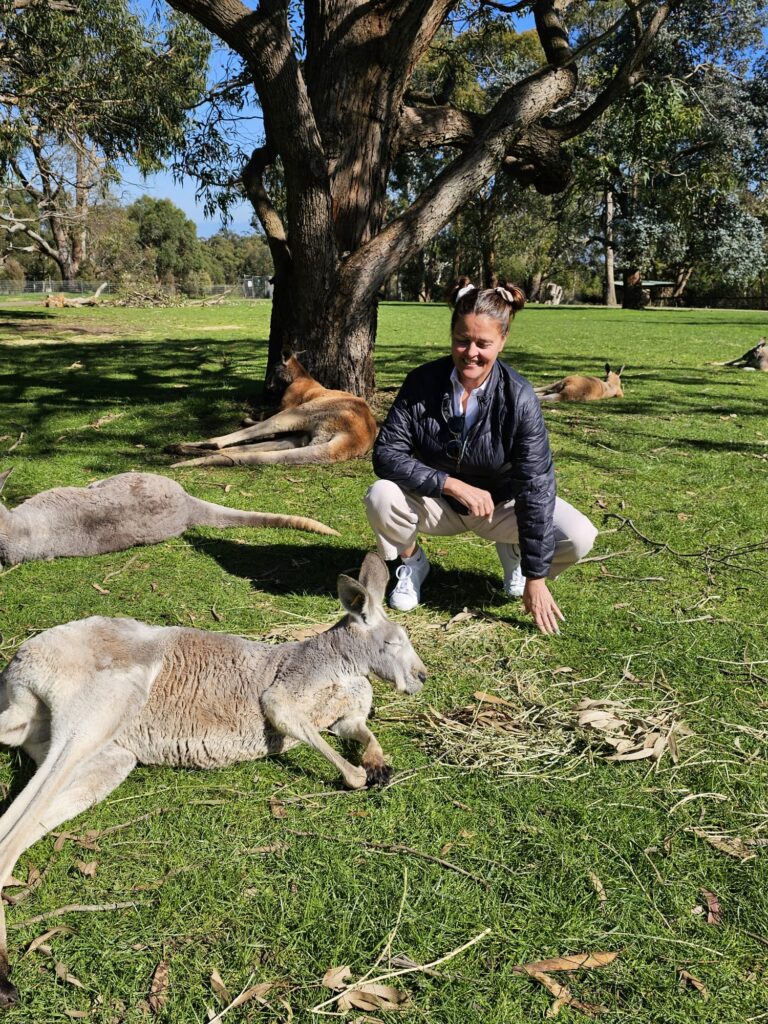
Within minutes of entering, I was hand-feeding kangaroos and wallabies that hopped gently across the grass toward visitors. They would take the food straight from your hand, completely comfortable sharing the space.
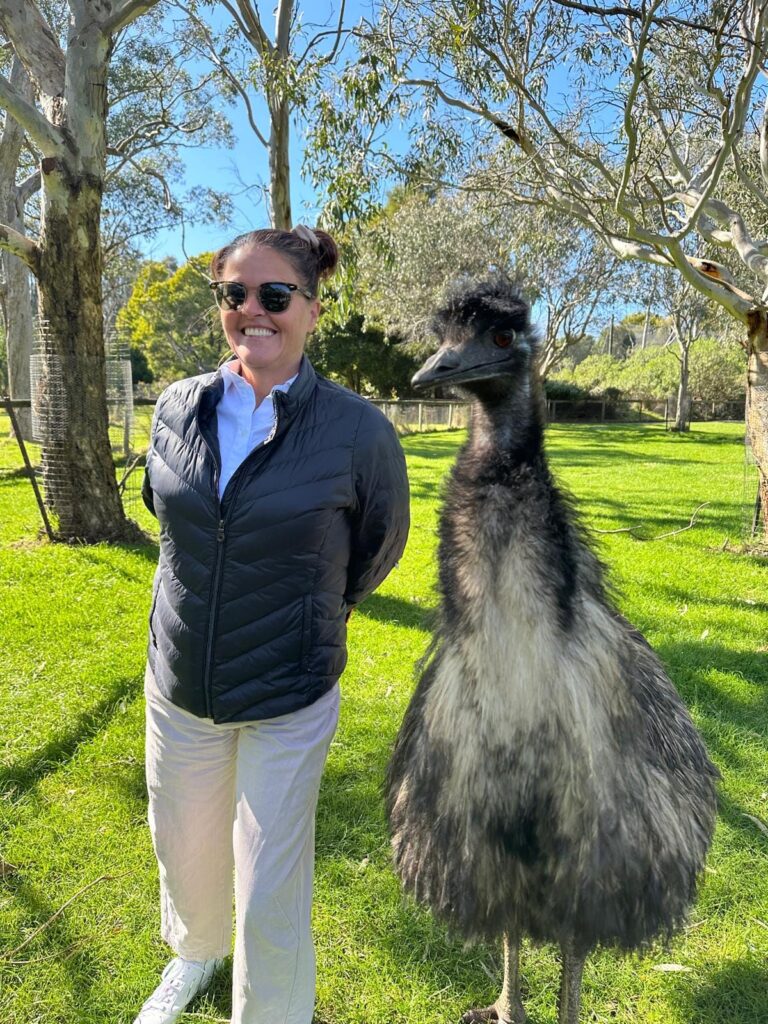
At one point I found myself standing right next to an emu, which felt both fascinating and just a little intimidating given their height.
Experiences like this feel surprisingly personal. You’re not just observing wildlife — you’re sharing space with it.
Pro Tip: One thing I always tell clients is to visit Cleland early in the morning. The animals are far more active before the midday heat sets in, and the park is much quieter, which makes the wildlife encounters feel more relaxed and natural.
Where to Stay Near Adelaide: Mount Lofty House
While exploring this region, one of my favorite places to stay is Mount Lofty House, located in the Adelaide Hills. It sits at an elevation of around 700 meters — high enough that the air feels cooler and the views stretch across the Adelaide Plains toward the coast.
The property feels like an elegant country estate surrounded by gardens and rolling countryside. From the terrace you can look out across the hills while enjoying a glass of South Australian wine as the sun sets. They have an amazing wine cellar and also offer jeep tours of the property to view animals, rivers and such.
Staying in the Adelaide Hills rather than downtown Adelaide makes a surprising difference to the experience. You’re immediately surrounded by vineyards, countryside, and wildlife areas like Cleland Wildlife Park, yet the city is still only a short drive away if you want to explore Adelaide’s restaurants and markets.
From here, the journey continues south toward the coast — and eventually to Kangaroo Island.
Crossing to Kangaroo Island
The journey to Kangaroo Island feels like stepping into another world.
After a scenic drive through vineyards and coastal farmland, the ferry crosses the waters of the Backstairs Passage. The crossing takes about 45 minutes and runs between Cape Jervis on the Fleurieu Peninsula and Penneshaw on the island’s eastern tip. As the mainland fades behind you, the landscape begins to feel wilder and more remote.
Kangaroo Island is often called Australia’s Galápagos, and once you arrive it’s easy to see why.
Wildlife is everywhere.
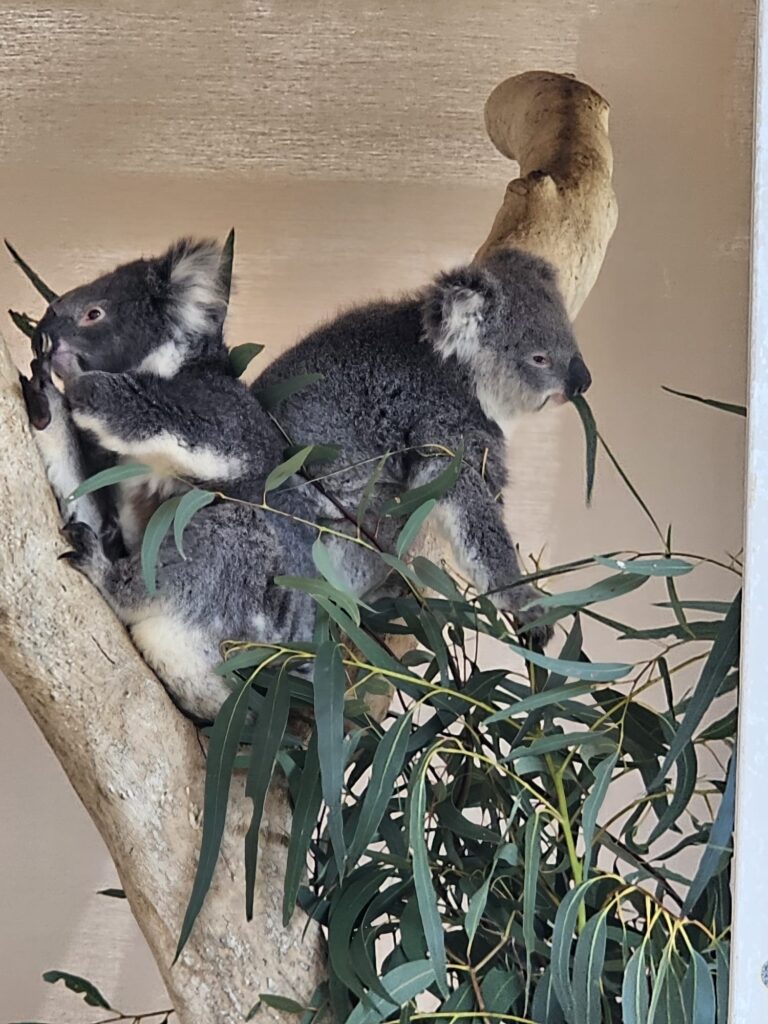
Kangaroos graze quietly in open fields. Koalas rest high in gum trees. Sea lions stretch out along remote beaches. Even echidnas occasionally wander through the bush if you’re lucky enough to spot one.
What surprised me most, though, was how peaceful the island feels. The pace slows almost immediately. Long stretches of road wind through farmland and eucalyptus forests where the only traffic might be a kangaroo hopping through the grass.
One thing you quickly learn is to watch the roads carefully around sunrise and sunset. This is when kangaroos are most active, and it’s common to see them grazing across fields or crossing the road as the light begins to change.
It feels wonderfully untouched.
A Wildlife Encounter I’ll Never Forget
One afternoon while exploring the island with a private guide, we stopped at his home where he and his family were caring for an orphaned baby kangaroo named Lucy.
The tiny joey had lost her mother and was being raised until she was strong enough to return to the wild.
While we were there, I had the chance to bottle-feed the little kangaroo as she eagerly drank from the bottle. Afterward, our guide gently picked up the joey, showing the incredible connection they had built while caring for her and explaining how they gradually help these animals grow strong enough to be released back into the wild.
It was a simple moment, but one that stayed with me.
It reminded me how deeply people on Kangaroo Island care about protecting the wildlife that makes the island so special.Pro Tip: With my connected/vetted suppliers in Australia, I have contacts with the best guides, the most entertaining, the most knowledgeable – the ones with the best experiences.
Where to Stay on Kangaroo Island: Southern Ocean Lodge
One of the most extraordinary places to stay on Kangaroo Island is Southern Ocean Lodge — and it’s worth knowing its full story before you book.
The original lodge was destroyed in the devastating 2020 Kangaroo Island bushfires, which burned through roughly a third of the island. It reopened in December 2023 after a $55 million rebuild — and by 2024 had already been named the #1 accommodation in Australia by Condé Nast Traveler readers. Staying there now carries a layer of meaning it didn’t have before. The island recovered, and so did the lodge.
Perched dramatically along the island’s rugged southern coastline, the lodge seems almost carved into the cliffs overlooking the Southern Ocean. Floor-to-ceiling windows frame sweeping ocean views where waves crash against limestone cliffs below.
The design is modern yet deeply connected to the landscape — warm wood, natural stone, and open spaces that draw your eyes toward the horizon.
I remember stepping onto the terrace one evening and feeling the ocean wind rising from the cliffs while the sky slowly turned shades of gold and deep blue.
It’s the kind of place where the landscape becomes part of the experience.
One of the reasons I often recommend staying somewhere like Southern Ocean Lodge is that properties like this offer guided excursions with expert naturalist guides. Their knowledge dramatically enhances the experience, helping you spot wildlife and understand the ecosystem in ways that would be easy to miss if you were simply exploring the island on your own.
Meals highlight local ingredients from the island and nearby South Australian regions — King George whiting, marron, oysters, and abalone from ethical island suppliers — and the overall experience feels remote in the best possible way.
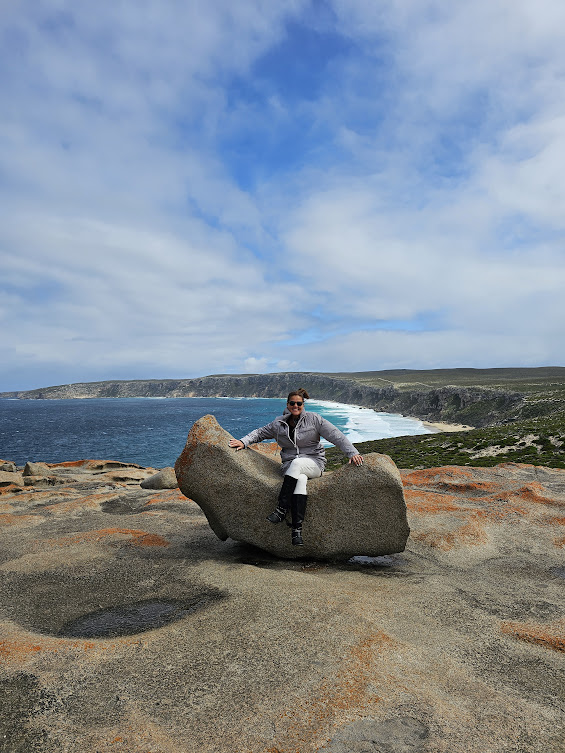
Wildlife Moments You Don’t Expect
Some of the most memorable wildlife encounters on Kangaroo Island happen when you least expect them.
Driving along a quiet road and suddenly seeing kangaroos grazing at sunset.
Walking along the beach near Seal Bay Conservation Park while sea lions sleep peacefully on the sand.
Or simply sitting quietly at dusk while the sounds of the island slowly shift as evening settles in.
These moments feel spontaneous, but they’re part of what makes Kangaroo Island so extraordinary.
Nature still feels in charge here. And that’s increasingly rare. It’s one of the reasons I recommend this region to clients who want wildlife experiences that feel genuine — not staged, not curated for a camera, but simply what happens when you slow down and pay attention.
Ready to Experience Kangaroo Island?
Planning a trip to Australia takes more thought than most destinations — the distances are significant, and the choices you make about where to stay and how long to spend in each place shape everything. I’ve helped clients navigate this region in a way that makes it feel effortless, and I’d love to help you do the same.
Check out my other blog posts:
WONDERS OF THE NILE